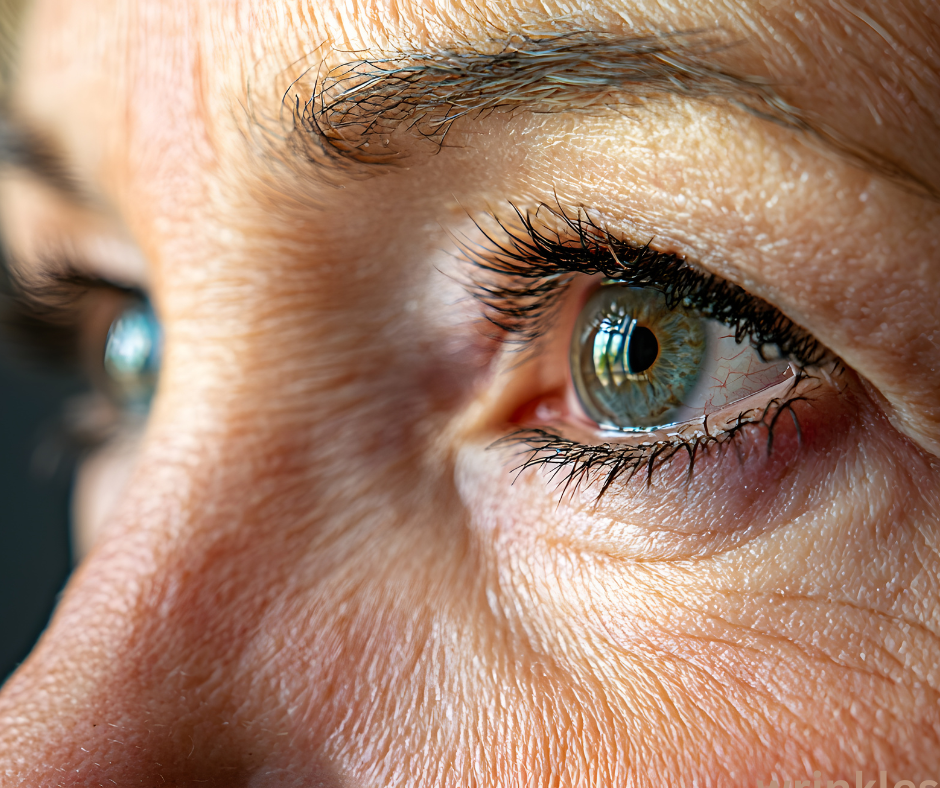
🌿 Are Wrinkle Creams Dangerous? Why Some People Switch to Essential Oils Instead
Many people use wrinkle creams to help their skin look smoother and younger. These creams can work for some people, but they also contain strong chemical ingredients that may cause irritation, redness, and other side effects. Because of this, more people are choosing to use natural essential oils and chemical-free skincare instead.
In this article, you’ll learn:
Common wrinkle cream ingredients
Why these ingredients can be dangerous
How they affect the skin
Why essential oils are becoming a popular alternative
Which essential oils people use to support healthy-looking skin
This guide is easy to understand and perfect for beginners or anyone wanting to explore gentler skincare options.
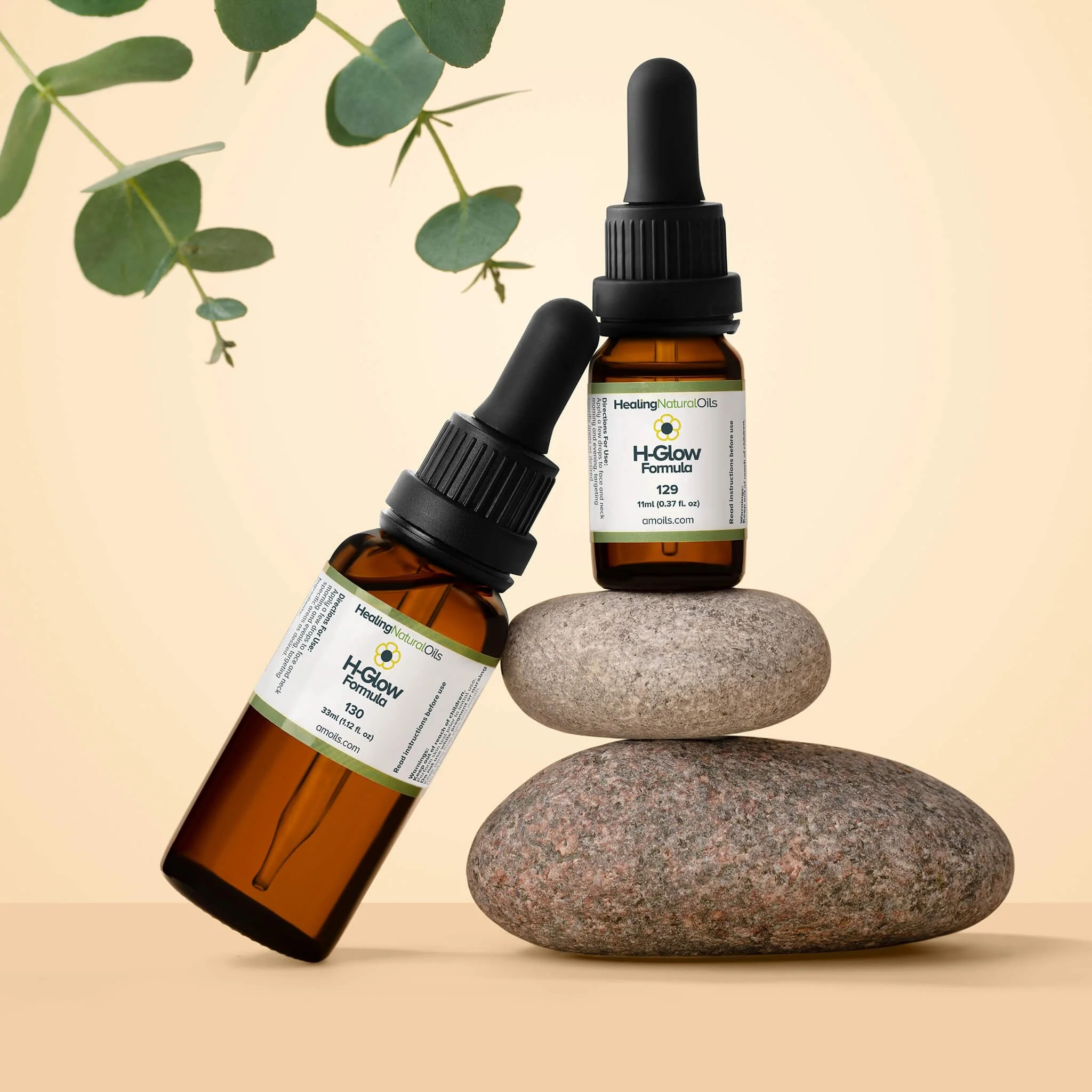
🧴 What Ingredients Are Found in Most Wrinkle Creams?
Many wrinkle creams include one or more strong active ingredients. These are meant to fight signs of aging, but some of them can be harsh on the skin.
Common wrinkle-cream ingredients include:
Retinoids
AHAs (Alpha Hydroxy Acids)
BHA (Salicylic Acid)
Vitamin C (strong forms)
Peptides
Niacinamide
Hyaluronic Acid
Let’s look at why some of these ingredients can cause problems.
⚠️ Why Wrinkle Cream Ingredients Can Be Dangerous
Not all wrinkle-cream ingredients are harmful, but several of the most popular ones can cause reactions, especially for people with sensitive skin.
Below are the most common dangers.
1. Retinoids: The Most Irritating Ingredient
Retinoids are one of the strongest anti-aging ingredients. They increase cell turnover and help smooth skin, but they are also known for causing:
Redness
Dryness
Peeling
Burning
Sun sensitivity
A damaged skin barrier
Some people cannot tolerate retinoids at all. They can make the skin feel sore, flaky, or “raw.” Retinoids also require very careful use and are not recommended during pregnancy.
2. AHAs: Can Cause Burning and Over-Exfoliation
AHAs like glycolic acid and lactic acid help exfoliate the top layer of skin. However, too much can cause:
Burning
Stinging
Irritation
Increased sunburn risk
Dark spots caused by inflammation
Using AHAs without sunscreen makes these issues worse.
3. BHA (Salicylic Acid): Dryness and Allergic Reactions
BHA is commonly used for acne, but it also appears in anti-aging products. It can:
Dry out the skin
Cause peeling
Trigger irritation
Cause reactions in people allergic to aspirin
Combining BHA with retinoids or AHAs can make the skin even more sensitive.
4. Vitamin C: Can Irritate and Oxidize
Strong forms of vitamin C, like L-ascorbic acid, have a very low pH. This means they can:
Sting or burn
Cause redness
Cause breakouts for some people
Vitamin C is also unstable, and when it oxidizes, it can irritate the skin even more.
5. Peptides: Mostly Safe, but Not Perfect
Peptides are milder than retinoids or acids, but they can still cause:
Allergic reactions
Redness from copper peptides
Breakouts from heavy cream formulas
6. Niacinamide: Irritation at High Strengths
Niacinamide is gentle for most people, but strong formulas (like 10%) can cause:
Redness
Warmth
Face flushing
7. Hyaluronic Acid: Safe but Can Still Irritate
Hyaluronic acid is very gentle, but irritation can happen if the product contains:
Alcohol
Fragrance
Harsh preservatives
So while the ingredient itself is safe, the added chemicals might not be.
🌿 Why People Are Switching to Essential Oils for Wrinkle Reduction
As more people experience irritation from traditional wrinkle creams, they begin looking for natural alternatives. Essential oils are a popular choice because they come from plants and can be used in simple, gentle skincare routines.
Here are the main reasons people switch.
✔ 1. 100% Essential Oils Are Plant-Based and Naturally Derived
People like that essential oils come from flowers, leaves, seeds, and resins—not from labs. This appeals to those who want to avoid:
Harsh acids
Synthetic chemicals
Artificial fragrances
Strong preservatives
Many enjoy the simplicity of natural ingredients.
✔ 2. They Are Gentler on the Skin When Properly Diluted
Retinoids and acids can cause burning or peeling, but essential oils—when mixed with a carrier oil—tend to feel soothing and moisturizing.
For example:
Frankincense is often used to support smooth-looking skin
Rosehip oil is known for its nourishing fatty acids
Lavender can help calm irritated skin
These don’t force the skin to turn over quickly, so they are usually easier for sensitive skin.
✔ 3. No Harsh Side Effects Like Peeling or Burning
Essential oils do not peel the skin like retinoids or AHAs do.
They don’t thin the outer layer or cause severe dryness.
People who want a gentler routine appreciate this.
✔ 4. They Fit Into “Clean Beauty” and Minimalist Routines
Many people are cutting down on large skincare routines. Instead of using:
Toners
Serums
Acids
Creams
Exfoliators
…they prefer simple plant oils and essential-oil mixes.
This trend has made essential oils a popular choice for natural anti-aging support.
✔ 5. You Know Exactly What You’re Putting on Your Skin
When people use essential oils and carrier oils, they control every ingredient.
That means:
No fillers
No parabens
No chemicals they can’t pronounce
This transparency builds trust and confidence.
🌿 Popular Essential Oils People Use for Wrinkles
Many people use them because they help the skin look smoother, hydrated, and more radiant.
Common choices include:
Frankincense
Lavender
Myrrh
Rosehip oil (carrier)
Geranium
Sandalwood
These oils are usually mixed with moisturizers or natural carrier oils like:
Jojoba
Sweet almond
Argan
Coconut
This creates a gentle, nourishing blend.
🌿 Final Thoughts: Are Essential Oils Safer?
Traditional wrinkle creams can be strong and effective, but they also come with risks that many people don’t want to deal with—especially irritation, peeling, and sun sensitivity.
Essential oils (100% oils only - no chemicals) give people a gentler, more natural way to support healthy-looking skin without harsh chemicals. When diluted properly and used safely, they can be a calming and simple alternative to strong wrinkle creams.